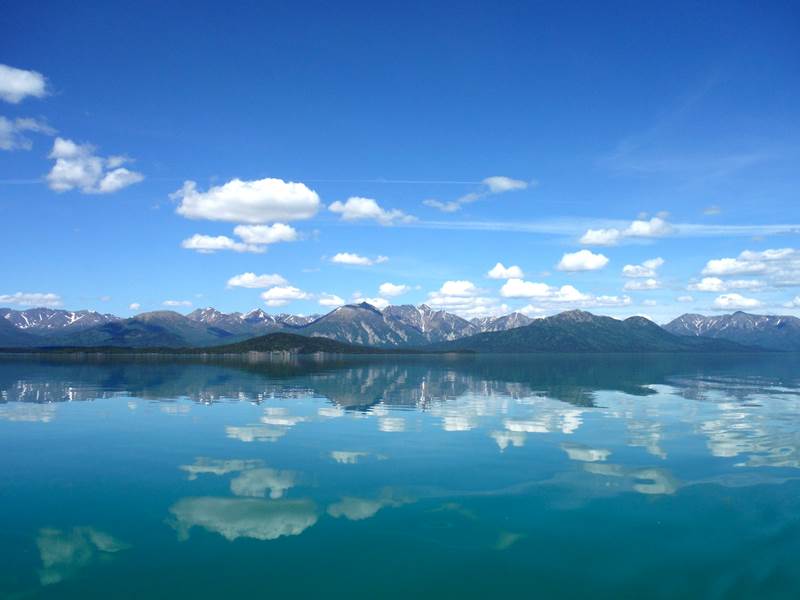
Lake Clark. Photo: NPS Photo / James Kramer
- Entrance
- Free
- Nonresident fee
- None
- Park annual pass
- Not sold
- Payment
- Not listed
Work out the cost for your group
About Lake Clark
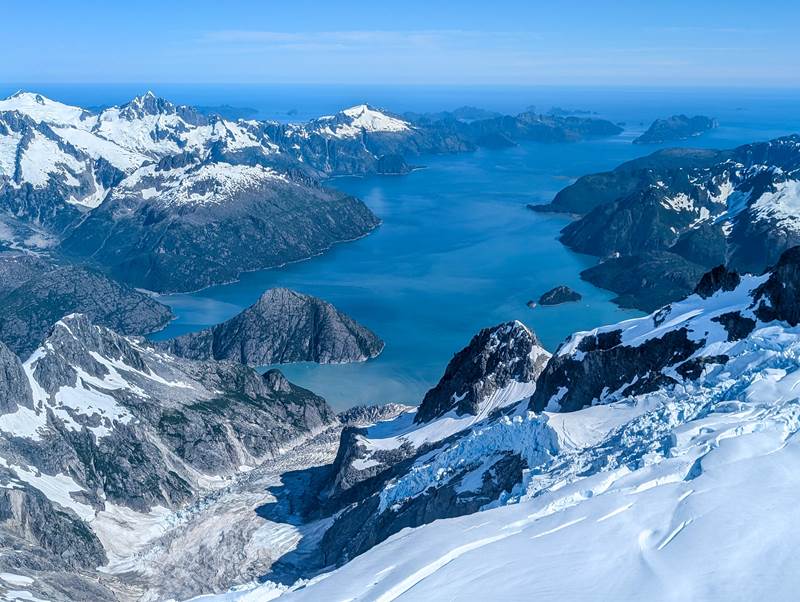
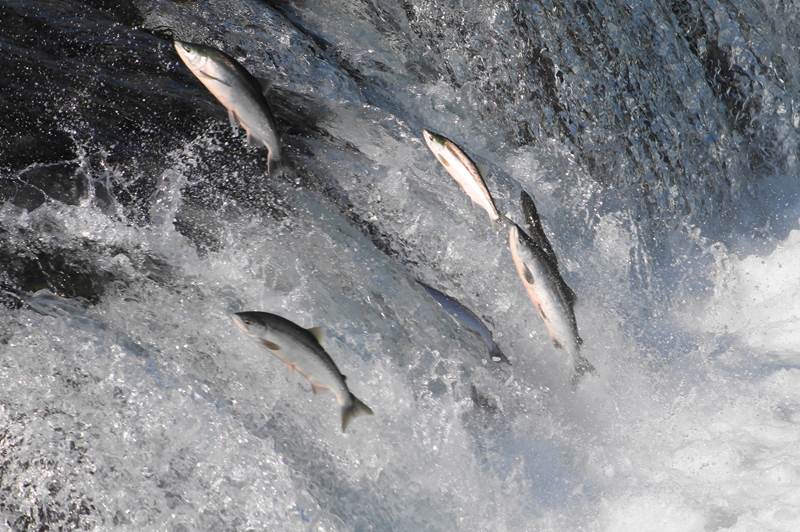
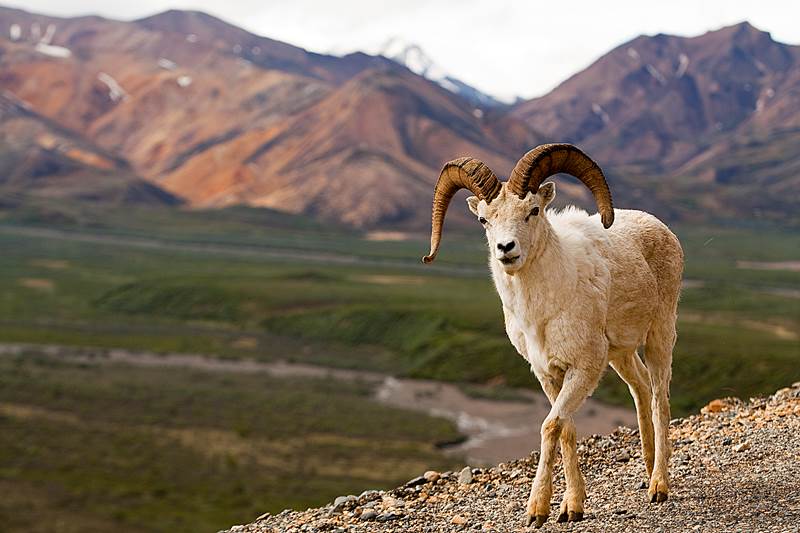
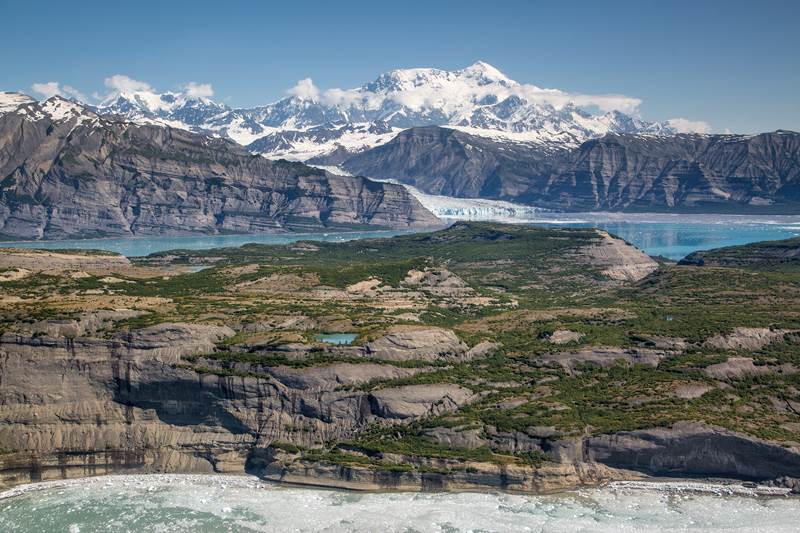
Lake Clark National Park and Preserve is a land of stunning beauty. Volcanoes steam, salmon run, bears forage, and craggy mountains reflect in shimmering turquoise lakes. Here, too, local people and culture still depend on the land and water. Venture into the park to become part of the wilderness.
Things to do
-
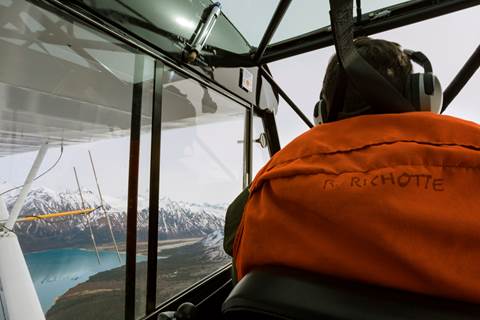
Flight Seeing at Lake Clark
Discover safely from a bird’s eye view. Volcanoes, coastline, mountain ranges, tundra, lakes, rivers, wildlife, and more!
-
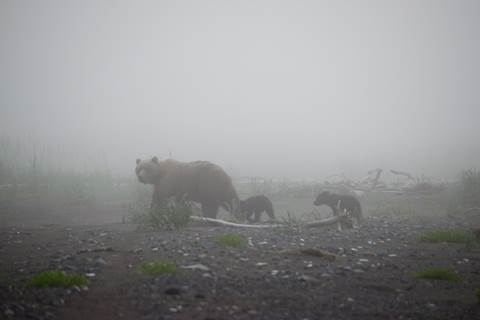
Fly-In Bear Viewing Along the West Cook Inlet Coast
Learn where to go to see bears and become familiar with bear viewing best practices.
-
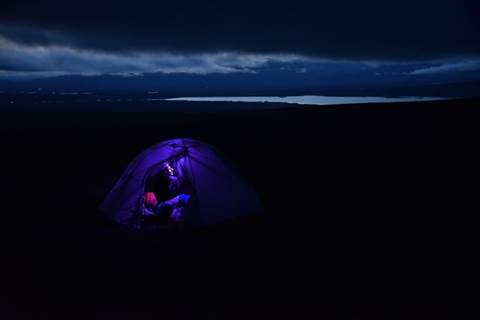
Remote Base Camping
A camping trip into Lake Clark's trail-less wilderness can be a spectacular and rewarding experience.
-
Camp at Kontrashibuna Lake
Pack up and journey out to the wilderness.
-
Discover Bristol Bay Fishing History
Explore a sailboat that spent more than 60 years on Bristol Bay waters during the heyday of Alaska's commercial salmon fishery.
-
Explore How Salmon Are Sustaining Southwest Alaska Communities
The Kvichak watershed which is fed by Lake Clark and runs into Bristol Bay, is one of the world's most productive spawning and rearing habitats for sockeye salmon.
Photos
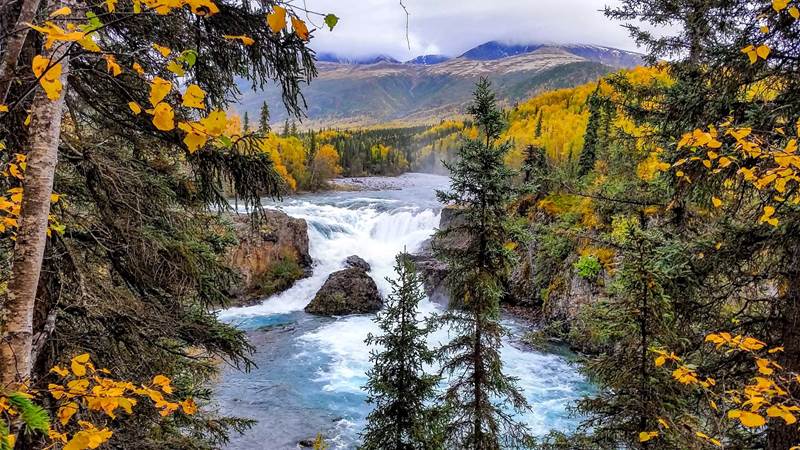
Tanalian Falls Photo: NPS Photo / Karen Smigielski 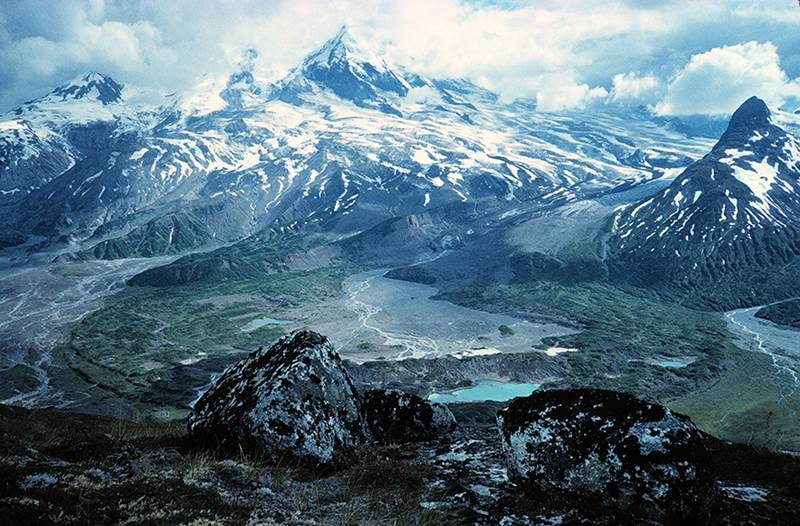
Redoubt Volcano Photo: NPS Photo / Paige Spencer 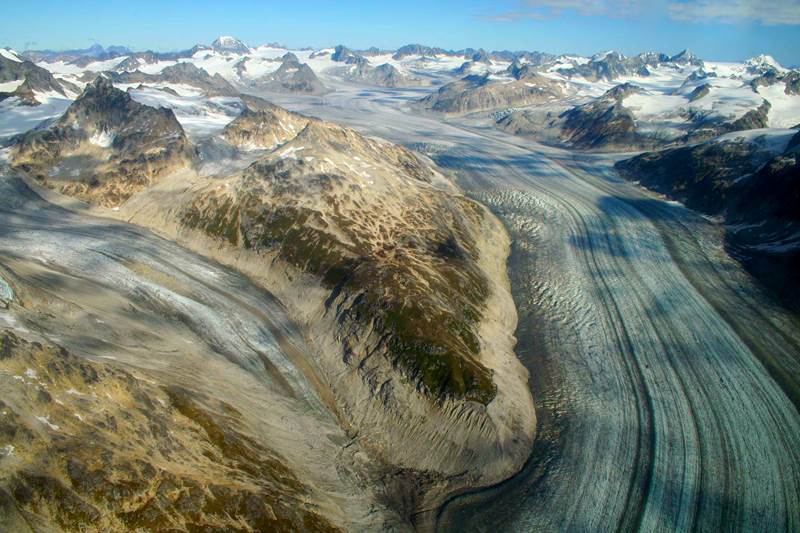
Tanaina Glacier Photo: NPS Photo / Chuck Lindsay 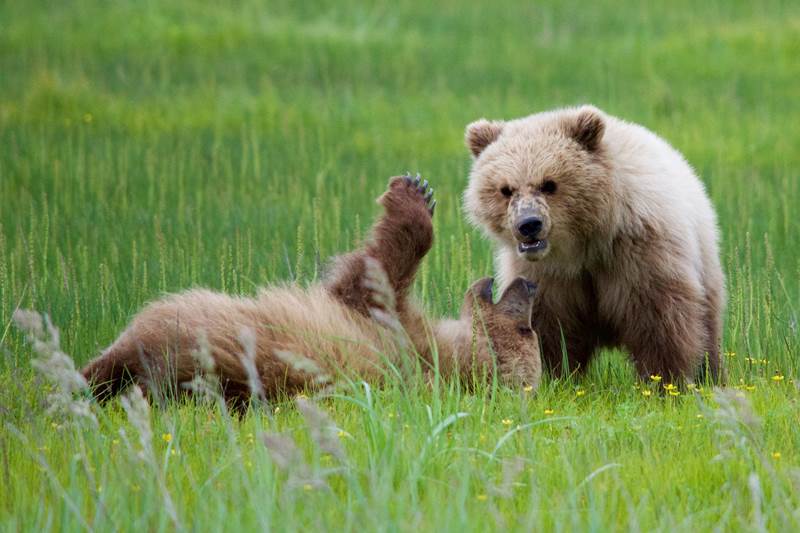
Two cubs playing at Silver Salmon Creek Photo: NPS Photo / Kara Lewandowski 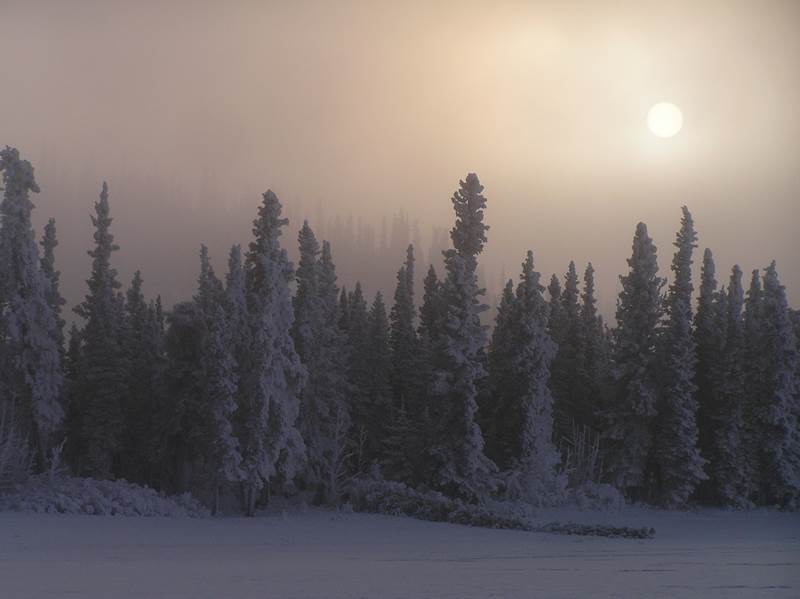
Boreal Forest Photo: NPS Photo/ J.Mills
Entrance fees
This park has no entrance fee.
Reservations
NPS lists no entry reservation for this park as of October 26, 2026. Campgrounds and tours may still need booking.
Weather and seasons
Lake Clark has two distinct climate areas: the coast and the interior. The coast is wetter and experiences milder temperatures. The interior gets half to one fourth as much precipitation, but temperatures are hotter in summer and colder in winter. Frost and snow can occur any time parkwide, but are most common from September to early June. Lakes here typically begins freezing in November and melting in April. Ice conditions dictate whether planes need floats or skis to land on lakes.
Hours
The park and preserve are open 24 hours per day, seven days per week year round. However, visitor services are limited Labor Day through Memorial Day. Seasonal and temporary closures are listed by location on the Operating Hours & Seasons page.
Getting there
Lake Clark is located on the Alaska Peninsula southwest of Anchorage and north of Katmai National Park. It is not on the road system; therefore, in order to get here you must travel either via plane or by boat. A one to two-hour flight from Anchorage, Kenai, or Homer will provide access to most points within Lake Clark. Fixed-wing aircraft are allowed to land on all suitable lakes, rivers, beaches, gravel bars, and open ground in both the park and preserve unless the area is closed or otherwise restricted.
Campgrounds
Visitor centers
Alerts
No alerts as of October 26, 2026.